
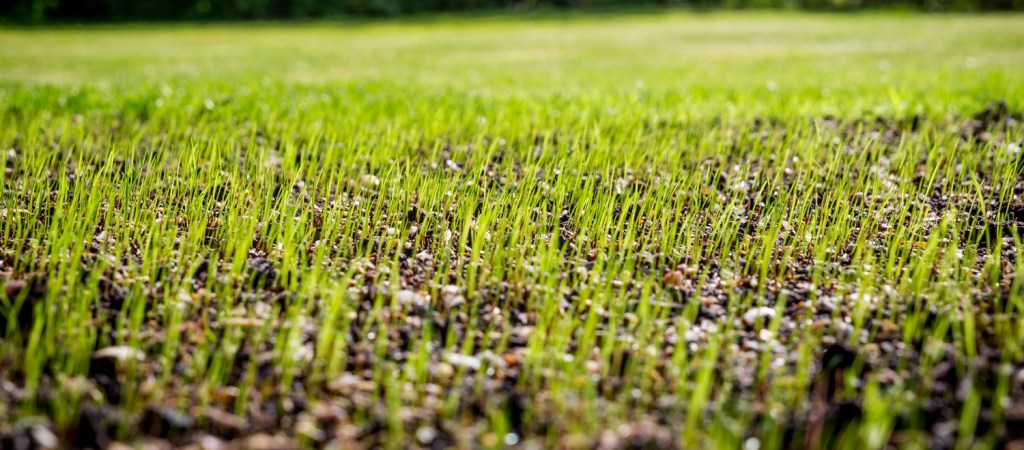
Maintaining a healthy, lush lawn takes effort, and overseeding can be a great way to improve the appearance and health of your lawn without the need for a complete renovation. But how do you know if your lawn needs overseeding? We have included several ways to assess the health of your lawn and determine if it could benefit from spring overseeding below. From checking for bare spots to assessing foot traffic, we’ll cover actors you should consider before deciding whether to overseed.
How to Tell if Your Lawn Needs Spring Overseeding:
- Look for bare or thin spots: Walk around your lawn and look for areas where the grass is sparse or non-existent. These areas can benefit from overseeding in the spring.
- Check for weeds: Weeds can take over a lawn quickly, especially in areas where the grass is thin. If you see an abundance of weeds, overseeding can help to increase the density of the grass and make it more resistant to future weed growth.
- Check the overall health of the lawn: If your lawn looks patchy, discolored, or just generally unhealthy, it may benefit from overseeding in the spring.
- Consider the time of year: Fall is typically the best time for overseeding, but if you missed that window or have specific issues to address in the spring, overseeding can still be a viable option.
- Test your soil: If your soil is lacking in nutrients or has a pH imbalance, it can affect the health of your lawn. Testing your soil can help you determine if overseeding is necessary and if you need to amend your soil before doing so.
- Look for signs of disease or pest damage: If your lawn has been affected by disease or pests in the past, it may benefit from overseeding in the spring to promote a healthier, more resistant lawn.
- Consider foot traffic: If your lawn sees a lot of foot traffic, it may become compacted, which can make it difficult for new grass to grow. Overseeding can help to break up the compacted soil and promote healthier grass growth.
- Look for signs of aging: As grass ages, it may become thin and patchy. If your lawn is several years old, overseeding can help to revitalize it and promote a healthier, more vibrant lawn.
- Assess your watering and mowing practices: If you’re not watering or mowing your lawn properly, it can affect the health and appearance of your grass. Overseeding can help to improve the overall health of your lawn, but it’s important to also make sure you’re taking care of it properly on a day-to-day basis.
- Consult with a professional: If you’re unsure whether your lawn needs overseeding or if you need help identifying issues, it’s always a good idea to consult with a lawn care professional who can provide personalized recommendations based on your specific lawn and conditions. If you have questions or are wondering if overseeding makes sense for your lawn, we’re happy to help! Give us a call or reach out to us using the form below!


 Acres Landscaping